It was a crisp December afternoon on the Brown University campus when the unthinkable shattered the quiet hum of final exam prep. On December 13, 2025, in the historic Barus and Holley building, a masked gunman burst into a classroom filled with students cramming for economics. He opened fire without a word—or maybe with just a strange barking sound, as some survivors recalled—killing two bright young minds and wounding nine others. The chaos that followed turned a place of learning into a scene of terror, with students barricading doors and fleeing for their lives. This wasn’t just another statistic in America’s gun violence epidemic; it was a personal nightmare for families who now face empty seats at holiday tables.
Among the fallen was Ella Cook, a 19-year-old sophomore from Mountain Brook, Alabama, whose life brimmed with promise and passion. Ella was the kind of person who lit up rooms—a gifted pianist who spoke fluent French, a devoted Christian with a bold heart, and vice president of Brown’s College Republicans. She was studying French and mathematics-economics, always eager to dive into discussions and lift up those around her. Friends remember her as generous and grounded, someone who’d work summers at a local ice cream shop back home and still find time to encourage her sorority sisters in Alpha Chi Omega. Her church pastor called her a “bright light,” and in the wake of her death, tributes poured in from Alabama politicians and classmates alike, all mourning the vibrant spirit snuffed out too soon.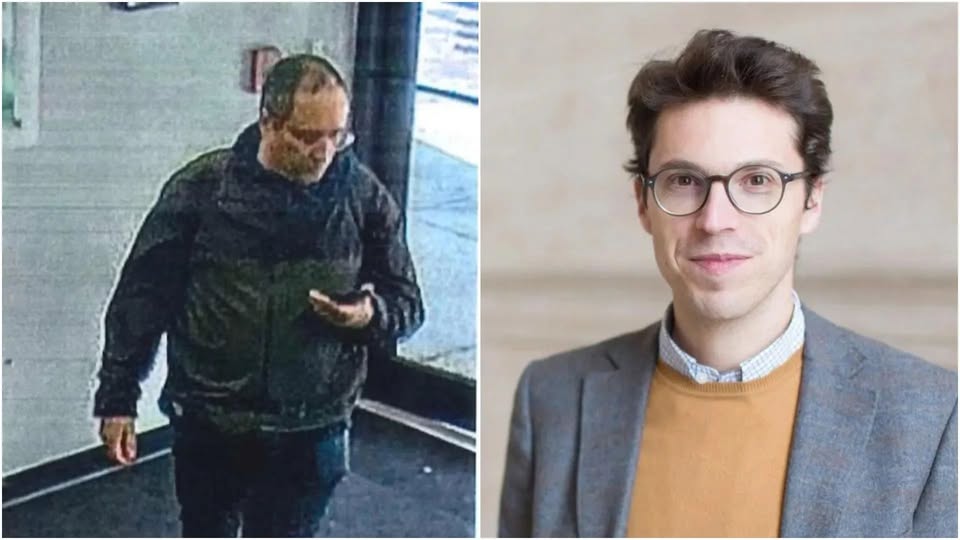

Then there was Mukhammad Aziz Umurzokov, an 18-year-old freshman whose journey to Brown was a testament to grit and intellect. Originally from Uzbekistan, his family immigrated to the U.S. in 2011, settling in Virginia where he graduated from Midlothian High School with dreams of becoming a neurosurgeon. At Brown, he pursued biochemistry and neuroscience, known for his sharp mind, quiet kindness, and willingness to help friends with homework. He wasn’t even enrolled in that fateful econ review session; he was just there supporting a buddy. His sisters described him as funny, insanely smart, and compassionate—a kid with big plans to heal people. A GoFundMe for his family exploded with donations, reflecting how deeply he touched those around him, from dorm neighbors to the broader Uzbek American community.
Just two days later, on December 15, the horror extended beyond Providence to the quiet suburb of Brookline, Massachusetts. Nuno F.G. Loureiro, a 47-year-old MIT professor and director of the Plasma Science and Fusion Center, was gunned down in his own home. A brilliant physicist from Portugal, Loureiro was a leader in fusion research, mentoring hundreds and pushing boundaries in plasma dynamics. Colleagues hailed him as articulate, compassionate, and universally admired—someone whose work on magnetic fields could have revolutionized energy. He died the next day in the hospital, leaving behind a wife and a devastated academic world. What linked this to Brown? Investigators soon discovered Loureiro and the suspect had crossed paths decades ago at Portugal’s Instituto Superior Técnico, both studying engineering physics from 1995 to 2000.
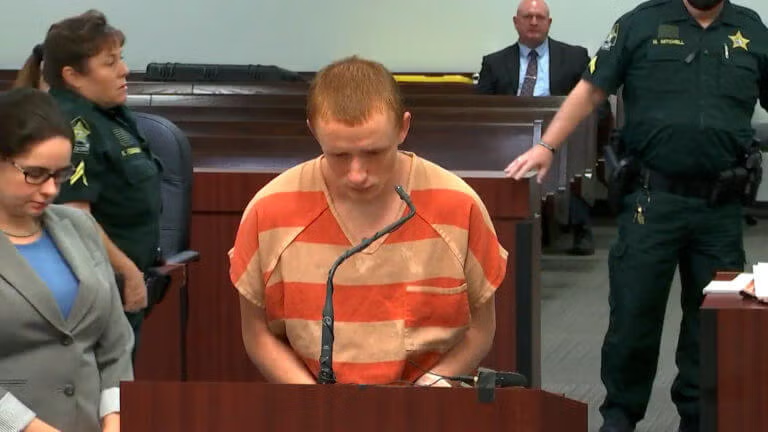
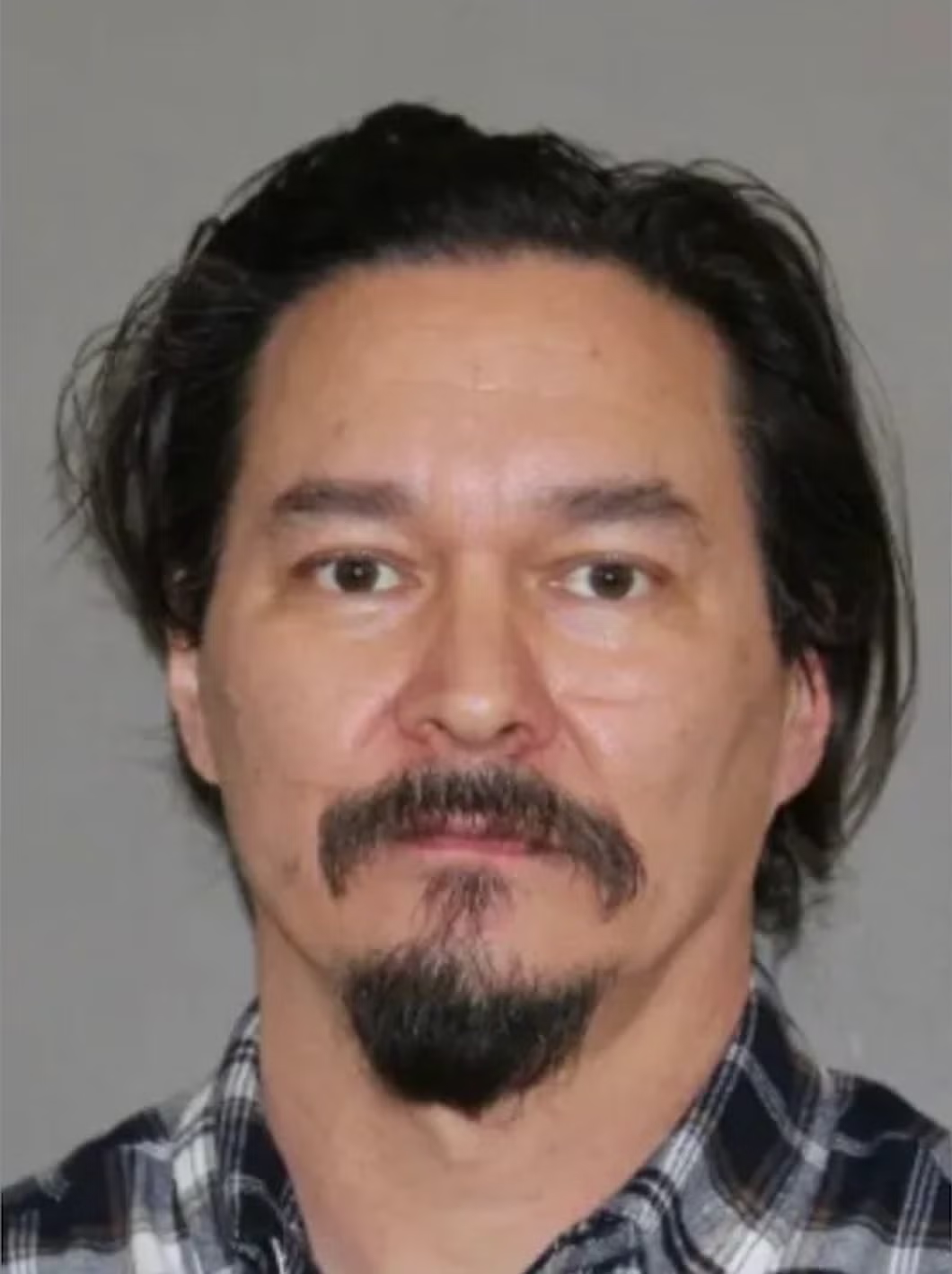
The man behind the trigger was Claudio Manuel Neves-Valente, a 48-year-old Portuguese national whose life had veered into darkness. Once a Ph.D. candidate in physics at Brown back in 2000-2001, he took classes in the very building he targeted, but he withdrew in 2003 without a degree. He entered the U.S. on a student visa, later gaining permanent residency in 2017 through the diversity visa lottery. His last known address was in Miami, Florida, but he had no criminal record here—no red flags until this rampage. Authorities say he was sophisticated in covering tracks, using disguised phones and avoiding named credit cards. Why he returned to haunt his old haunts remains a puzzle, but the connection to Loureiro suggests a personal grudge from their shared academic past.
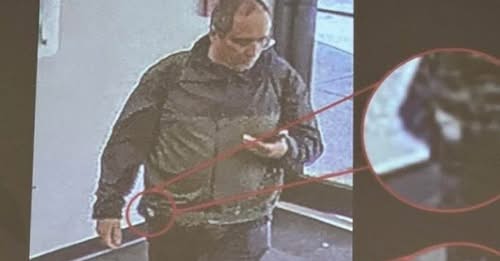
The timeline paints a chilling picture of premeditation. Neves-Valente flew into New England in early October, renting hotel rooms in Boston from late November. On December 1, he picked up a gray Nissan Sentra from Alamo in Boston, its Florida plates caught on license readers near Brown for days. Surveillance showed him pacing the area on December 13, dressed in black, before the attack around 4 p.m. After the shooting, he fled north, logging into Google accounts near Boston University. By December 15, security footage placed him near Loureiro’s home, half a mile away. He switched to unregistered Maine plates, drove to a rented storage unit in Salem, New Hampshire, and hunkered down—still in the same clothes from Brookline.
The breakthrough came from an unlikely hero: a Brown grad known only as “John,” who spotted Neves-Valente acting suspiciously in a campus bathroom hours before the shooting. Noting his odd winter gear and a “game of cat and mouse” chase to the car, John posted anonymously on Reddit about the gray Nissan with Florida plates, urging cops to check rentals. That tip, combined with a $50,000 FBI reward, cracked the case wide open. By December 18, authorities swarmed the Extra Space Storage on Hampshire Road. Inside, they found Neves-Valente dead from a self-inflicted wound, a satchel and two firearms nearby. Evidence from his vehicle matched the Providence scene perfectly, closing the loop on this cross-state nightmare.
Motive? That’s the lingering shadow. Officials admit they may never fully know why Neves-Valente targeted innocent students he didn’t know or a former acquaintance from Portugal. “Why Brown? Why these kids? Why now?” Rhode Island Attorney General Peter Neronha pondered at a press conference. Brown President Christina Paxson called it a time for healing, urging the community to rally without blame. Classes were canceled, finals scrapped, and vigils held as students grappled with the trauma. No ongoing threat, authorities assured, but the pain runs deep—especially for families facing a holiday season forever dimmed.
The fallout rippled wider. In a swift move, the Trump administration paused the diversity visa program that let Neves-Valente stay, with Homeland Security Secretary Kristi Noem decrying it as a risk. Debates flared over immigration and gun control, but for those closest, it’s about remembering the lost: Ella’s melodies,
Mukhammad’s dreams, Nuno’s scientific fire. Law enforcement praised the multi-agency effort, from Providence PD to the FBI, emphasizing facts over online rumors. As the investigation wraps, one thing’s clear—this tragedy underscores how fragile campus life can be, and how one man’s demons can shatter so many worlds.