
Brookline, Mass. — Nuno F.G. Loureiro, a 47‑year‑old physics and nuclear science professor at the Massachusetts Institute of Technology and director of its prestigious Plasma Science and Fusion Center, was found shot in his home late Monday night and died early Tuesday at a local hospital, authorities confirmed. The Norfolk County District Attorney’s Office has launched a homicide investigation, and as of Wednesday no suspects have been arrested.
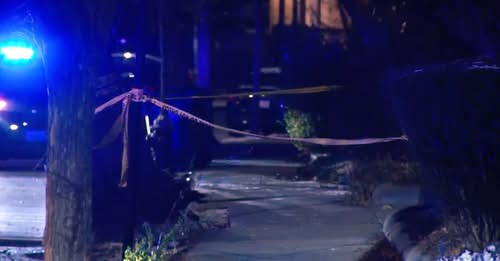
Neighbors on Gibbs Street were startled around 9 p.m. by loud noises that many feared were gunshots, according to witness accounts. Police and emergency responders later discovered Loureiro with apparent gunshot wounds. Despite rapid transport to a hospital, he succumbed to his injuries in the early hours of Tuesday morning, leaving behind his wife and children and a stunned academic community.
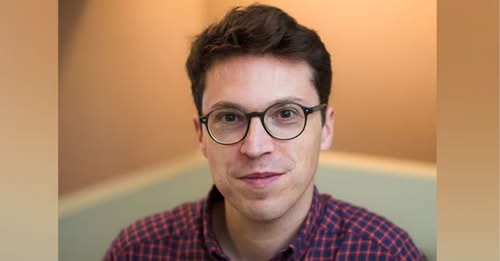
Loureiro wasn’t just another professor; he was a leading light in the global push for clean energy through nuclear fusion. A native of Viseu in central Portugal, he earned his physics degree from Instituto Superior Técnico in Lisbon and a doctorate from Imperial College London before postdoctoral work at Princeton and the UK’s Culham Centre for Fusion Energy. He joined MIT’s faculty in 2016 and was named director of the Plasma Science and Fusion Center in 2024, where he led more than 250 researchers tackling some of science’s toughest problems.
Colleagues and students described Loureiro as brilliant, compassionate, and inspiring. Dennis Whyte, a senior engineering professor who previously led the Plasma Science and Fusion Center, said Loureiro “shone a bright light as a mentor, friend, teacher, colleague and leader” and was “universally admired.” Deeply engaged in both fusion science and astrophysics, he helped bridge fundamental physics with technological innovation, bringing humanity closer to the promise of near‑limitless clean energy.
The tragedy has reverberated far beyond MIT’s campus. The U.S. ambassador to Portugal, John J. Arrigo, issued a statement honoring Loureiro’s life, leadership, and enduring contributions to science and education. Portugal’s foreign affairs minister also publicly announced Loureiro’s death in Parliament, underscoring the international impact of his work.
MIT President Sally Kornbluth called his death a “shocking loss” for the institute and noted the grief spreading through the tight‑knit community of students, faculty, friends and family. Vigils and memorials have begun to spring up near his Brookline residence, where mourners lit candles and shared memories of a man whose curiosity and kindness drew people to him.
Law enforcement agencies, including Massachusetts State Police, Brookline police and the DA’s homicide unit, are actively investigating the scene and surrounding area for leads. Officials have said little about a possible motive or suspect, urging anyone with information to come forward as the community grapples with the senseless loss.
Loureiro’s work in plasma physics and fusion has left a lasting imprint on his field, and his absence will be deeply felt in scientific circles worldwide. In an era where breakthroughs in clean energy are more urgent than ever, his legacy is a reminder of both the fragility of life and the enduring power of human curiosity.