Brookline, Massachusetts — The quiet streets of Brookline were pierced by violence earlier this week that left a respected scientist dead and investigators scrambling for answers. Nuno F. G. Loureiro, 47, a celebrated professor at the Massachusetts Institute of Technology, was found shot multiple times in his Gibbs Street home late Monday evening and died at a Boston hospital the following morning. This tragic killing is now at the center of a widening investigation that law enforcement officials briefly opened to the possibility of a connection with a separate mass shooting at Brown University over the weekend — though authorities have also said there’s currently no confirmed link between the two cases.
Loureiro’s death sent shockwaves through the academic community and beyond. A native of Viseu, Portugal, he had built an impressive career in nuclear science, plasma physics, and fusion research. After studies in Lisbon and at Imperial College London, he joined prestigious research labs in the United States and the United Kingdom before becoming a professor at MIT in 2016. In May 2024 he was appointed director of the MIT Plasma Science and Fusion Center, one of the university’s largest laboratories, where more than 250 researchers pursue cutting-edge energy work.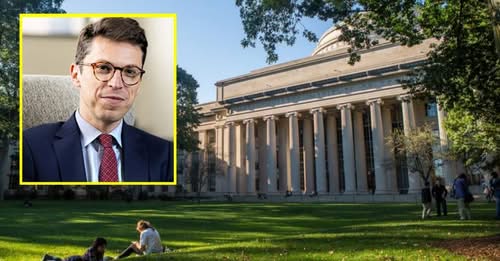

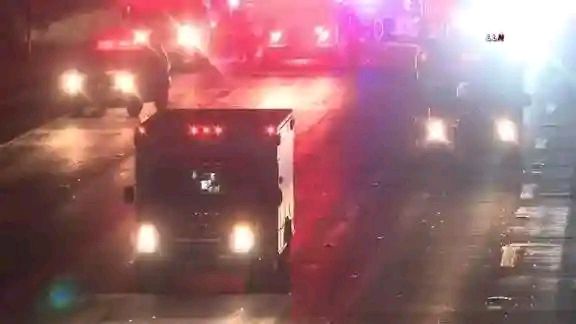
Police and homicide detectives responded to calls of shots fired around 8:30 p.m. Monday. Neighbors reported loud bangs that sounded like gunfire, and officers later found Loureiro with gunshot wounds inside his apartment. Paramedics rushed him to Beth Israel Deaconess Medical Center, but he succumbed to his injuries early Tuesday. The Norfolk County District Attorney’s office confirmed that no arrest has been made and that the investigation remains active.
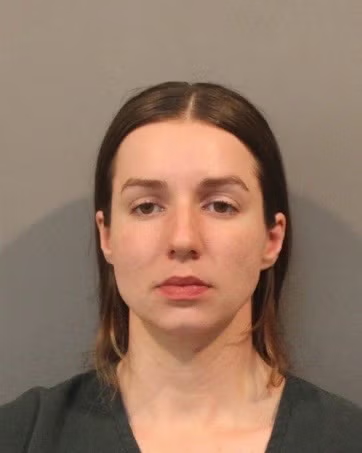
The broader context of rising violence this week — including a Saturday shooting at Brown University in Providence that killed two students and wounded nine during an exam review session — prompted some early cooperation between law enforcement agencies handling the separate cases. In the Brown incident, authorities released grainy footage of a person of interest in a two-tone coat and winter hat, but the suspect remains unidentified. For a time, sources familiar with the investigations told reporters detectives were comparing notes on both shootings to determine whether a common perpetrator might be involved.
Despite that initial probe, FBI Boston officials later told the press there was no apparent connection between Loureiro’s death and the Brown University attack. At a press briefing, the bureau’s special agent in charge said state police had reached out early in the Brown investigation and that information sharing between the two cases was underway, but “at this time, there seems to be no connection” between them.
MIT’s leadership and the global scientific community have mourned Loureiro’s passing. MIT President Sally Kornbluth called his death a “shocking loss” and highlighted his contributions both as a brilliant scientist and as a mentor to students and colleagues. Outside of his scientific achievements, Loureiro was known for his warm nature, compassion, and tireless dedication to solving some of humanity’s toughest energy challenges.
In Brookline, community members continue to grapple with the violence in their typically peaceful town. Vigils and gatherings near Loureiro’s home have drawn friends, neighbors, and students who remembered him not just for his academic brilliance but for his kindness and mentorship. As the homicide investigation continues with little public information released about suspects or motive, residents and colleagues alike are left searching for answers to a senseless loss.