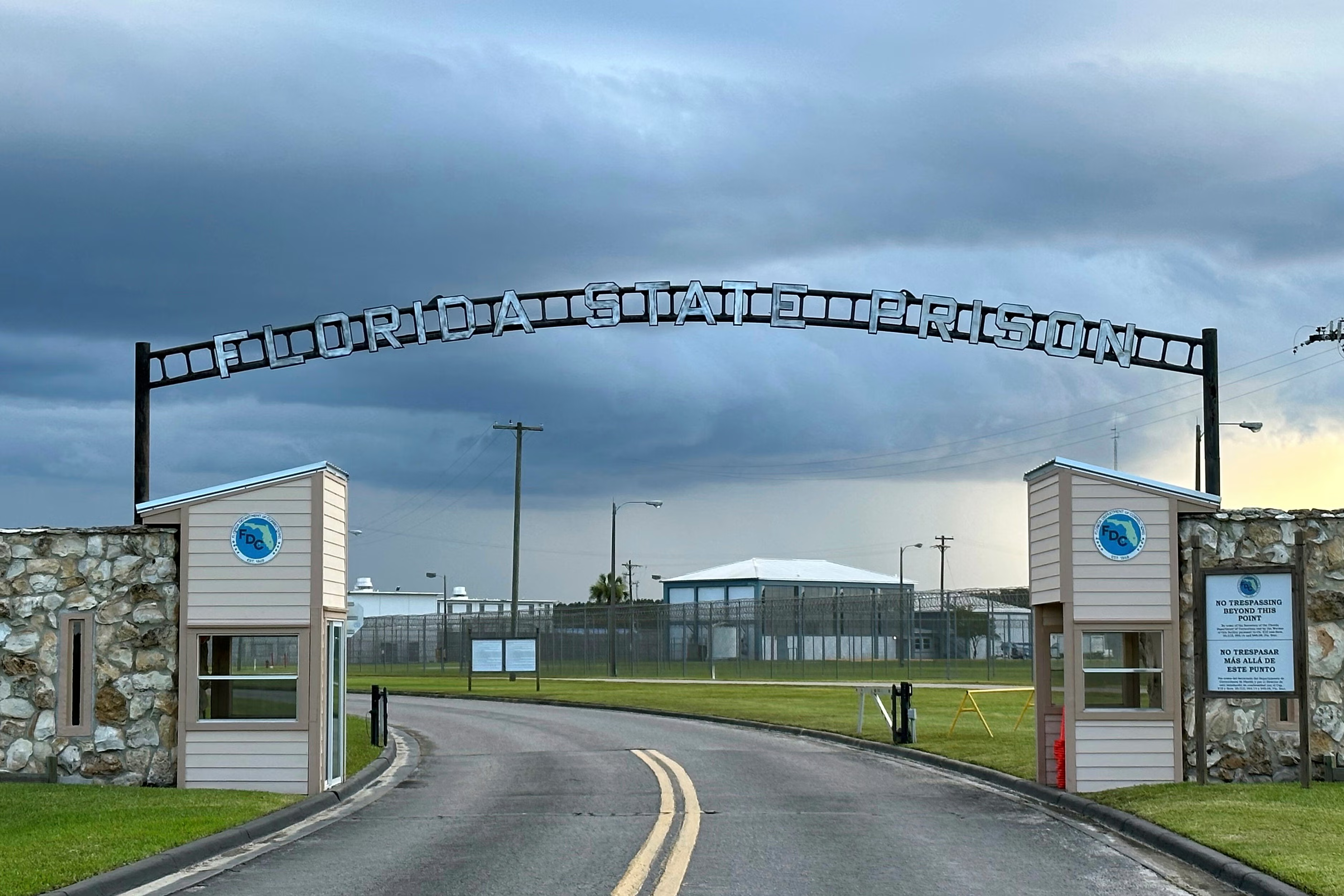
For years, the public has been chasing a ghost—the full, unvarnished truth of what really happened behind the closed doors of Jeffrey Epstein’s sprawling estates. This week, the wait finally took a massive step toward an end. The U.S. Department of Justice has officially launched a searchable online portal, dumping a heavy trove of documents and images that have been under lock and key for decades. From the hallways of the White House to the boardrooms of Silicon Valley, the names surfacing in these files are reading like a “Who’s Who” of the American elite.
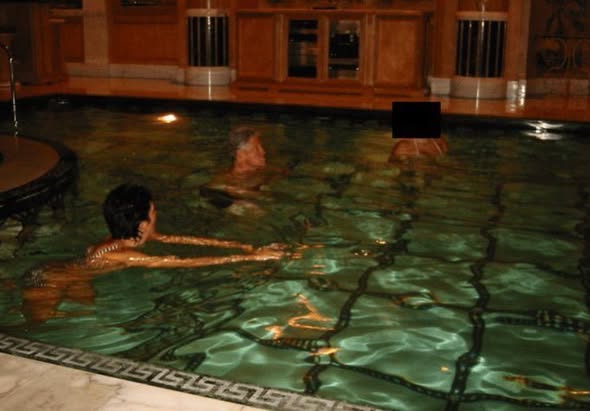
The most jarring image to emerge from this digital archive is a candid, undated shot of former President Bill Clinton. In a photo that has quickly gone viral, Clinton is seen lounging in a hot tub, leaning back with his arms behind his head in a moment of total relaxation. While the face of the person with him is redacted to protect their identity, the casual nature of the scene has reignited intense scrutiny over just how deep the former president’s ties to Epstein really went. It isn’t just the one photo, either; other images show Clinton alongside Epstein’s convicted accomplice, Ghislaine Maxwell, and standing near a pool, painting a picture of a social circle that was far more intimate than previously admitted.

The archive also pulled back the curtain on some unexpected celebrity sightings. In one surprising photo, the “King of Pop” Michael Jackson is pictured alongside Clinton and legendary singer Diana Ross. While there’s no immediate evidence of wrongdoing in these specific pictures, seeing a global icon like Jackson in Epstein’s personal collection has added a layer of surrealism to the release. It’s a reminder of Epstein’s unique ability to act as a magnet for the world’s most famous faces, bringing together stars of music and politics in the same orbit.
Silicon Valley hasn’t escaped the fallout either. Bill Gates, the billionaire co-founder of Microsoft, appears in the files through a series of photographs found in Epstein’s personal records. One image shows Gates standing next to a woman whose face has been blurred out, while another captures him in conversation with Prince Andrew. For Gates, who has previously expressed regret over his “philanthropic” dinners with Epstein, these new visuals serve as a “first casualty” of sorts—forcing him back into a spotlight he has desperately tried to avoid for years.
The scale of this release is honestly staggering. According to Deputy Attorney General Todd Blanche, we are looking at hundreds of thousands of pages. This first wave is just the beginning of a rolling release mandated by the Epstein Files Transparency Act. The goal is to give the public a searchable, downloadable look at everything the government has on the financier’s sex trafficking ring. While much of the text remains heavily redacted to protect victims, the raw volume of evidence is enough to make anyone’s head spin.
What makes this release feel different is the casual, everyday nature of the evidence. These aren’t just dry legal briefs; they are snapshots of a lifestyle. We’re seeing photos of travel documents, passports from various countries, and even images of high-profile figures like Noam Chomsky and Steve Bannon appearing in Epstein’s world. For a long time, these were just rumors or names on a flight log, but seeing them in physical photographs found in Epstein’s own home makes the connection feel much more real to the average person reading at home.
As the Department of Justice continues to upload more files, the pressure is mounting on every public figure mentioned in the logs. While the DOJ has been careful to state that being in a photo isn’t proof of a crime, the “court of public opinion” moves much faster. With thousands of more images and documents expected to hit the portal in the coming weeks, the world is watching closely. This isn’t just a legal archive anymore; it’s a window into a dark chapter of power and influence that is finally being forced into the light.