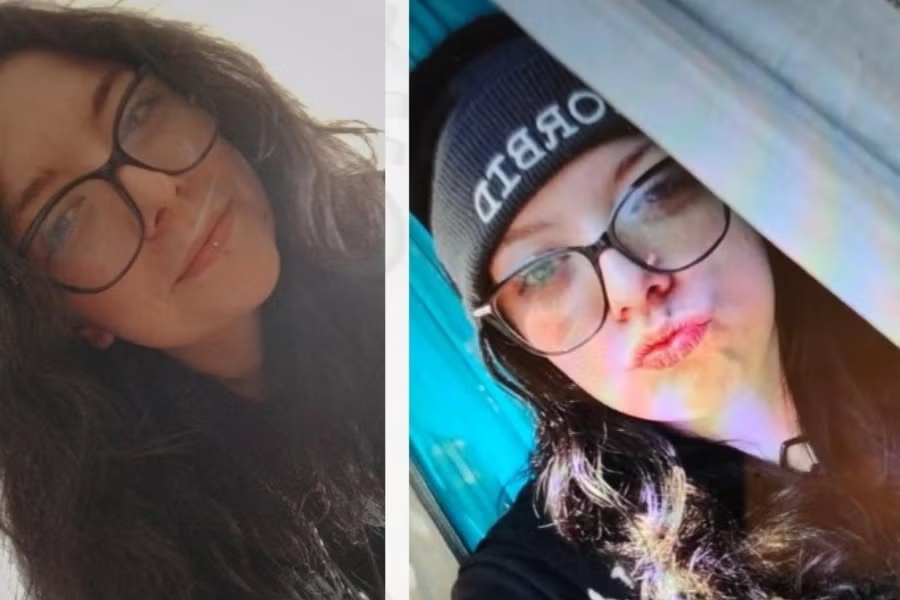
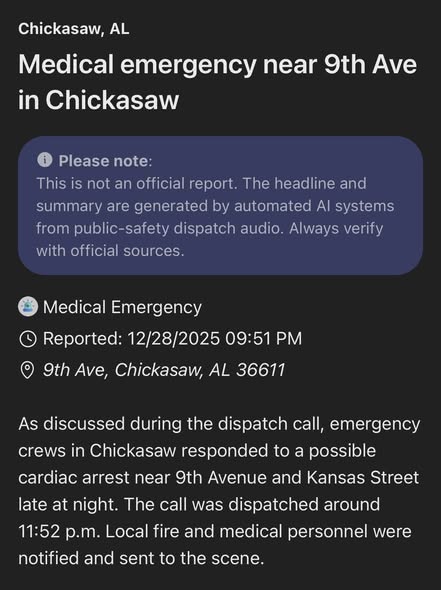
Meridian, Mississippi — Whitley Goodman, whose name has been at the center of one of Meridian’s most controversial and heartbreaking stories, has died. The circumstances of her death are still emerging, and authorities have not yet confirmed a cause. In the absence of clear answers, her passing has stirred fresh grief, curiosity, and deep reflection across communities that have followed the long‑running case of Christian Andreacchio.
Goodman came into the spotlight in 2014 when 21‑year‑old Christian Andreacchio, a young man with a promising future, was found dead in the bathroom of his Meridian apartment from a single gunshot to the head. Goodman and a friend, Dylan Swearingen, were the ones who called authorities that day. Local law enforcement quickly ruled the death a suicide, but many questions about what really happened have never been fully resolved.

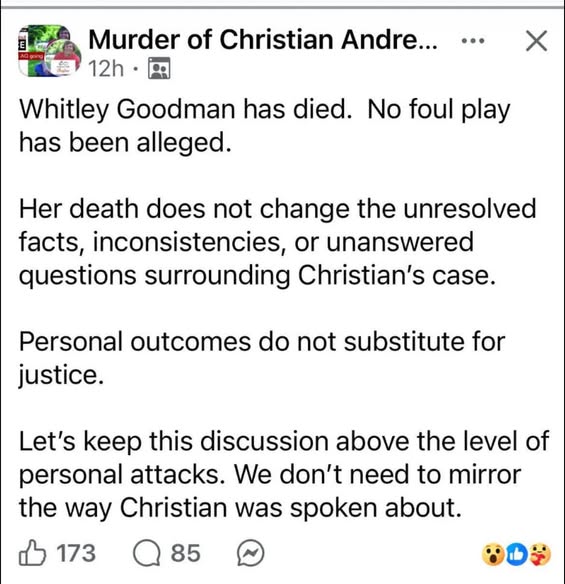
Christian’s family has always rejected that ruling. His parents argued that their son would never have taken his own life and pointed to inconsistencies in the investigation and the stories from those present that day. The case attracted national attention, including coverage by CBS’s 48 Hours and the true‑crime podcast Culpable, which reignited public interest and offered a $100,000 reward for new information.
In the years that followed Christian’s death, a Lauderdale County grand jury reviewed the evidence but declined to indict Goodman or Swearingen, citing insufficient evidence. Despite thorough reviews by detectives, forensic experts, and attorneys, the official conclusion has remained unsettled, leaving the Andreacchio family and many in Meridian searching for closure.
Goodman’s life after the headlines was quiet compared to the public scrutiny that defined those early years. She lived with the legacy of that day in 2014, a burden that followed her through disputes, lawsuits, and debates over what truly happened. Now, with her passing, old emotions have flared and many are once again wondering about the unanswered questions that still surround Christian’s death.
Those who knew Goodman remember her in different ways — some speak of a young woman caught in a tragic situation, others recall the intense and complicated story that followed her for years. Beyond the controversy, many remind us that she was more than a name in a case file; she was a person with friends, family, and her own story.
Christian’s legacy remains equally complex. He was more than a victim; he was a son and brother with ambitions and a life ahead of him that ended too soon. The haunting questions about his death — whether it was suicide or something far darker — continue to echo through the community and the hearts of those who loved him.
As Meridian and those touched by both stories grapple with this latest chapter, there is a shared call for empathy and understanding. Whitley Goodman’s death does not bring closure, but it reminds us how deeply unresolved tragedies can shape lives and linger in memory long after the headlines fade.