Baila Moller, a beloved medical dosimetrist from Chicago, Illinois, died late Wednesday night in the Westgate area of Lakewood Township, New Jersey, in what authorities have ruled a suicide. News of her passing has rippled through both the Chicago and Lakewood communities, leaving colleagues, friends, and family grieving the loss of a deeply caring and dedicated professional.
Moller was widely respected in her field of medical dosimetry, a highly specialized area of cancer treatment planning that ensures radiation therapy is delivered safely and effectively. Those who worked with her describe her as meticulous, compassionate, and deeply committed to patient care. She didn’t just craft treatment plans with precision; she brought humanity and empathy to every case she touched.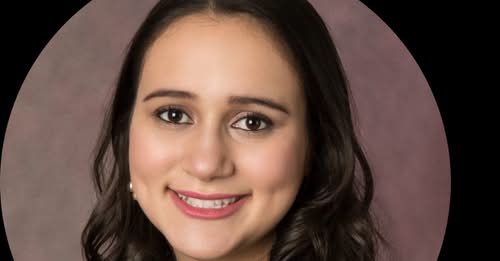

Her academic journey began at Southern Illinois University Carbondale and continued at Hebrew Theological College, where friends and mentors remember her as a curious and dedicated student who balanced rigorous training with a genuine desire to serve others. She often spoke fondly of the mentors who shaped her path and carried those lessons with her throughout her career.
Outside of her profession, Moller was known as a warm presence in her communities. Whether in Chicago or Lakewood, she was the friend who checked in, the colleague who offered support, and the neighbor who brought thoughtful kindness to everyday moments. Tributes pouring in speak of her generosity, her gentle spirit, and the sincere care she showed to others.
Late on Jan. 7, police and emergency responders were called to Westgate Lakewood after reports of a shooting. At the scene, they found a woman with a fatal gunshot wound. She was pronounced dead on arrival. After an initial investigation, authorities determined the wound was self-inflicted and ruled the incident a suicide. Police confirmed there was no threat to the public and no suspect at large.
Out of respect for the family’s privacy, officials have not released detailed personal information, but local community leaders and loved ones have been sharing memories and offering support to one another. The loss has ignited conversations about compassion, mental health awareness, and the importance of reaching out when someone is struggling.
Family, friends, and colleagues remember Moller not for the manner of her death but for the life she lived—full of care, commitment, and kindness. As both communities mourn, many urge anyone facing emotional distress to seek help. In the United States, free confidential support is available 24/7 through the Suicide & Crisis Lifeline by calling or texting 988.