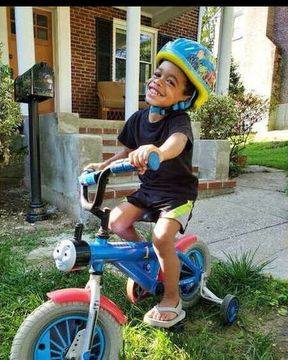
The sound that haunts this case isn’t a gavel — it’s the image of a small body found unresponsive on a living-room floor, old bruises mapped across it like a history. On Tuesday, a DeKalb County judge handed Sophia Williams a sentence of life without parole plus an extra ten years for the death of her 4-year-old son, Anthony Vice — a child prosecutors say was punished repeatedly during potty training and left to suffer after losing consciousness.
The facts are stark and simple. On March 6, 2022, first responders arrived at an apartment on Tregoney Drive and found Anthony unresponsive and without a heartbeat. Medics and investigators observed both fresh and older bruises across his body. He was rushed to Children’s Healthcare of Atlanta and later pronounced dead. An autopsy determined blunt-force head trauma as the cause of death; medical examiners concluded that the injuries were survivable had medical attention been sought sooner.
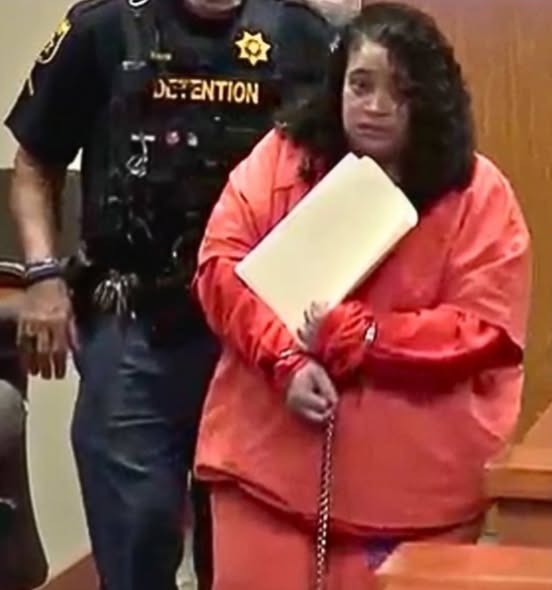
In court, jurors heard a portrait of escalating violence that felt unbearably ordinary. Williams — who admitted she disciplined the boy for not being toilet trained — told officers she had struck Anthony with her hand, a house slipper, a purse strap and even a charging cord when he urinated or defecated outside the toilet. A teenage witness who was in the home told investigators the day before Anthony’s death she had seen Williams “whoop” him and that he later appeared dizzy and fell to the floor. The next morning he was limp; rather than immediately call for help, prosecutors say Williams waited and searched online about concussions and comas before contacting anyone.
Prosecutors painted a portrait of neglect layered on top of violence: Anthony briefly revived after water was thrown on him, then became unresponsive again and remained motionless overnight, only flinching occasionally. The medical examiner’s grim observation — that the child might have lived with timely medical intervention — was a heartbeat that reverberated through the courtroom and, ultimately, factored heavily in sentencing. In August, a jury found Williams guilty on multiple counts including malice murder, felony murder, first-degree cruelty to children and aggravated battery. The sentence delivered this month closed the legal chapter, but not the ache.
At sentencing, the bench condemned not just a single act but a pattern. The judge described the killing as among the most gruesome seen in that court, and the district attorney stressed that this was punishment turned lethal for behavior common in preschoolers. Community members, advocates for child welfare, and the child’s family listened as the court quantified the irreparable: a life lost, another life remade behind bars, and the urgent question of how to better protect vulnerable children before an ordinary frustration becomes a fatal event.
There are practical, painful takeaways. The case underscores how child-abuse investigations frequently hinge on small windows of time — who called for help, when, and what actions might have been taken to save a life. It also highlights the role of witnesses: the 13-year-old who spoke to police helped construct a timeline that contradicted claims of an accidental injury. And it forces a broader conversation about support for caregivers overwhelmed by toddlers’ normal developmental behaviors — a conversation that can’t be left to prosecutors alone.
Anthony’s death has already prompted renewed calls among local advocates for better outreach: more accessible parenting resources, stronger monitoring of repeated reports of abuse, and quicker intervention when a child shows signs of serious injury. The courtroom’s sentence will echo for decades, but for those who knew Anthony, that echo is no substitute for a child who will never get another sunrise.