The story of Fozia Sheik Ali and a Minneapolis daycare building begins long before the latest fraud allegations made headlines. It starts quietly, at a childcare center that parents trusted, children filled each morning, and the state paid to support. Years later, that same address would resurface, renamed, re-licensed, and tied once again to public money and unanswered questions.
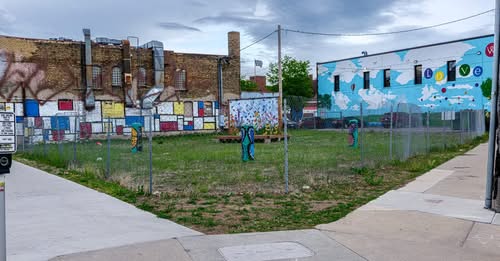
The building now known as Quality Learning Center in Minneapolis once operated as Salama Child Care Center. In 2015, federal investigators raided the location after allegations that the center was billing the state for more children than were actually in attendance. The case shook Minnesota’s childcare oversight system and exposed how vulnerable public programs could be to abuse.
Fozia Sheik Ali, who ran Salama Child Care Center, was later convicted in federal court for fraud and sent to federal prison. Prosecutors said the scheme involved inflating attendance numbers to collect larger state payments meant to support low-income families. For many parents, the case was a painful betrayal. For regulators, it was a warning.
After the raid, the daycare’s license was revoked. On paper, the operation was shut down. But the building itself never went away. In 2017, a new childcare license was issued at the exact same address, this time under a new name: Quality Learning Center. To the casual observer, it looked like a fresh start. To critics, it looked like history repeating itself.
Public records and statements from the center’s current management show that the property is still owned by the same family connected to the earlier operation. The current manager has openly said that his parents own the business, directly linking the new center to the family involved in the 2015 case. The name changed. The address did not. Neither did the ownership.
During the COVID-19 pandemic, Quality Learning Center received a PPP loan of $108,673, meant to help small businesses keep workers on payroll. The loan was fully forgiven in 2022. The center reported having 21 employees. While PPP loans were widely distributed, the forgiveness of public funds tied to a location with a documented fraud history raised eyebrows among watchdogs and community members.
This story also sits within a broader context. Minneapolis is home to one of the largest Somali communities in the United States, second only to Minnesota as a whole, while cities like Columbus, Ohio, also host large Somali populations with many daycare centers serving immigrant families. These centers often play a critical role, offering culturally familiar care to working parents. When trust is broken, the damage spreads far beyond one building.
Today, Quality Learning Center continues to operate, even as questions linger about oversight, accountability, and how a shuttered daycare tied to federal fraud was able to return under a new name. For families who rely on these services, the issue is not just about paperwork or loans. It is about trust, transparency, and whether lessons from the past were truly learned.