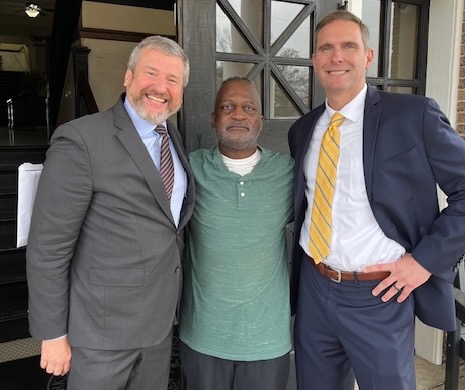
Charlie Vaughn walked out of a courthouse in Fordyce, Arkansas on Friday, January 9, a free man after spending 35 years behind bars for a brutal 1988 murder he always said he did not commit. What makes his release so striking isn’t just the length of time he served, but the fact that new evidence showed he never belonged in prison in the first place.
In 1992, Vaughn, who struggles with severe intellectual disability, pleaded guilty to the rape and murder of 78‑year‑old Myrtle Holmes, a crime that shocked the small town when her body was found inside the trunk of her car, beaten and stabbed. Facing the threat of the death penalty and after years stuck in jail waiting for trial, Vaughn agreed to the plea on the advice of an overworked court‑appointed lawyer with whom he barely spoke.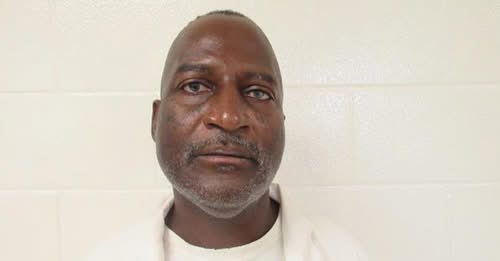
Vaughn’s confession helped convict him and three others, but later evidence cast serious doubt on that confession. DNA tests from the crime scene eventually excluded Vaughn as the source of biological material found on the victim, evidence that should have cleared him decades ago. One of his co‑defendants, Reginald Early, confessed in 2015 that he acted alone in Holmes’s killing—information that finally drew attention to the flaws in the original investigation and trial.
Despite this, Vaughn remained in prison long after two of the co‑defendants were released. The legal road to freedom was tangled partly because of a letter he wrote back in 1995 asking to be released, which under federal law was treated as his one chance at post‑conviction review—a chance he lost by default. That technicality kept him behind bars far longer than it should have.
It wasn’t until this year that prosecutors and a judge finally corrected the course. On Friday, an Arkansas judge threw out Vaughn’s original conviction, finding that it was based on serious legal errors and that the confession was unreliable. Prosecutors did not object to his release, and Vaughn was given credit for time served.
Vaughn’s attorney said his client could not describe the crime when he pleaded guilty and at the time could not even name the street where it happened. Police had also placed an informant in his cell to coax a confession, a move that was not disclosed to his defense.
Now free, Vaughn plans to stay with longtime family friends, rebuild his life, find work, and make up for the decades he lost. His case stands as a stark reminder of how the justice system can fail the most vulnerable—even when evidence later proves their innocence.